
Luxury Real Estate Photography Tips
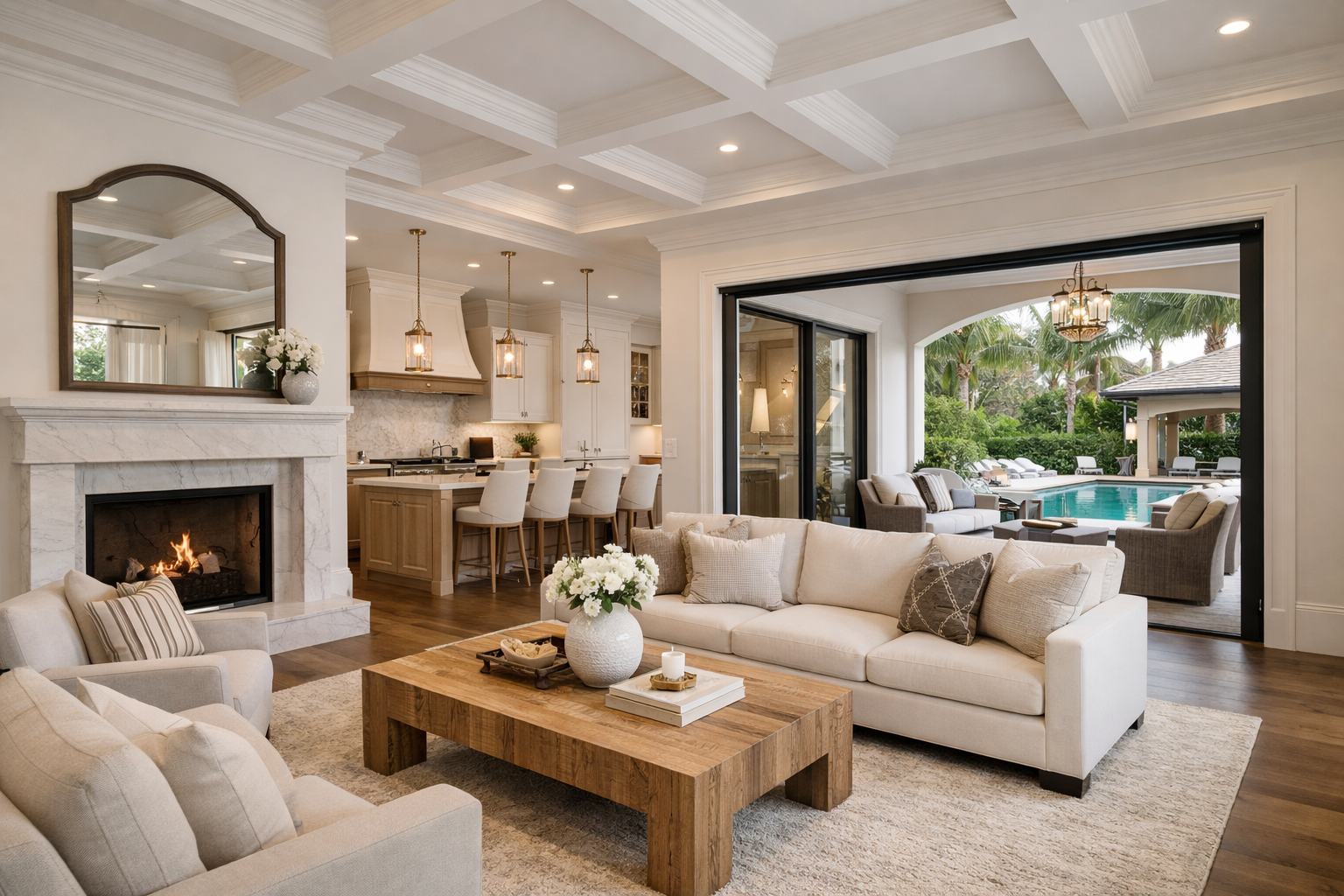
What Sets Luxury Real Estate Photography Apart
Luxury listings demand more than clean, well-lit photos. They require imagery that communicates lifestyle, craftsmanship, and exclusivity within seconds. Buyers in the high-end market often make emotional decisions before ever visiting a property, which makes luxury real estate photography one of the most powerful tools in premium home marketing.
Unlike standard listings, luxury homes are defined by details: custom millwork, architectural symmetry, designer finishes, natural light, and intentional spatial flow. Luxury property photography must highlight these elements while maintaining a refined, editorial feel. Overexposed windows, cluttered frames, or inconsistent color tones can instantly reduce perceived value.
This guide shares professional insights used by experienced luxury real estate photographers to elevate listings. Whether you are an agent, developer, or homeowner, these tips will help you present high-end properties with clarity, sophistication, and market impact.
Why Luxury Listings Require a Different Photography Approach
Luxury buyers expect excellence at every touchpoint. That expectation extends directly to listing imagery, where photo quality is often seen as a reflection of the property’s value and the professionalism behind its marketing.
High-end real estate photography focuses on:
- Storytelling rather than simple documentation
- Precision lighting instead of ambient-only exposure
- Clean composition that emphasizes scale and flow
- Consistent color, tone, and mood across the gallery
A successful luxury shoot is not about volume. It is about creating a curated visual experience that feels intentional from the first image to the last. This approach is what separates high end real estate photography from standard listing photos.
Proven Tips for Capturing Luxury Real Estate Effectively
Prioritize Lighting Above All Else
Lighting defines the mood and quality of luxury home photography. Natural light should be maximized, while supplemental lighting is used to balance shadows and highlights without looking artificial.
Why it matters: Proper lighting reveals textures, materials, and depth, which are essential in luxury interiors.
Practical guidance:
- Shoot during optimal daylight hours for each room
- Use exposure blending to preserve window views
- Balance interior lighting so it feels natural, not staged
Lighting is often the single biggest difference between average and exceptional interior real estate photography.
Emphasize Architectural Lines and Symmetry
Luxury homes are designed with intention. Vaulted ceilings, floor-to-ceiling windows, custom staircases, and open layouts deserve compositions that guide the viewer’s eye naturally through the space.
Why it matters: Straight lines and balanced framing reinforce craftsmanship and scale.
Best practices:
- Keep vertical lines straight in-camera or in post
- Avoid excessive wide-angle distortion
- Center frames where symmetry is a key design feature
When done well, architectural composition makes spaces feel expansive without misrepresentation.
Style Every Frame With Purpose
Even light styling has a significant impact in luxury real estate photography. Cushions aligned, furniture spaced correctly, and surfaces cleared help images feel polished without appearing staged.
Why it matters: Visual clutter distracts from luxury details.
Styling tips:
- Remove unnecessary décor and personal items
- Use neutral accents that complement the home’s palette
- Leave negative space to emphasize scale
In luxury imagery, restraint often communicates sophistication more effectively than abundance.
Capture Detail Shots Strategically
Luxury buyers care deeply about finishes and materials. Close-ups of marble countertops, custom cabinetry, designer lighting, hardwood flooring, or unique hardware add depth and narrative to the gallery.
Why it matters: Detail shots reinforce perceived value and craftsmanship.
How to approach them:
- Choose details that differentiate the property
- Use shallow depth of field selectively
- Integrate detail shots naturally within the full set
These images support the broader story rather than distracting from it.
Use Exterior, Twilight, and Drone Photography
Exterior imagery sets the emotional tone for the entire listing. Twilight photography, in particular, creates warmth and drama that often becomes the hero image.
Luxury drone photography adds another layer, showcasing:
- Estate scale and lot size
- Architectural layout
- Surrounding landscape and views
Why it matters: These shots establish context and exclusivity.
Execution tips:
- Plan twilight sessions carefully, timing is critical
- Balance interior and exterior lighting for realism
- Use drones sparingly and purposefully, not as filler
When used correctly, drone and twilight images elevate perception without overwhelming the listing.
Creating a Strategic Real Estate Photography Shot List
A thoughtful real estate photography shot list ensures consistency and efficiency, especially for high-end properties.
A luxury-focused shot list typically includes:
- Front exterior (day and twilight)
- Key living spaces emphasizing flow
- Primary kitchen angles highlighting finishes
- Primary suite and bathroom
- Architectural features (stairs, windows, ceilings)
- Detail shots of premium materials
- Outdoor living areas
- Aerial images for context
Not every room needs to be photographed. Focus on spaces that contribute to the story, lifestyle, and value of the home.
How Luxury Photography Impacts Real Listings
High-quality visuals directly influence how buyers engage with listings. Properties photographed with care and intention consistently see:
- More online views
- Longer time spent on listing pages
- Higher-quality inquiries
- Stronger emotional responses
Developers and investors also rely on luxury photography to maintain brand consistency across multiple properties. For new construction, professional imagery helps buyers visualize not just the structure, but the lifestyle it represents.
Across the U.S., standout visuals often shape perceived value before price is even considered. Effective luxury real estate photography does not just show a home. It positions it.
Best Practices for Consistent High-End Results
Maintaining luxury standards across listings requires discipline and planning.
Key best practices include:
- Work with specialists, not generalists
- Prepare properties thoroughly before shoots
- Plan timing around light and weather
- Edit with restraint to preserve realism
- Think like a buyer, not a photographer
Consistency builds trust with buyers and strengthens an agent or developer’s brand over time.
Why the Right Photography Partner Matters
Luxury properties deserve photographers who understand both aesthetics and real estate marketing. The right partner balances technical precision with emotional storytelling, without overprocessing or misrepresenting the property.
For agents and developers seeking elevated luxury real estate photography, working with an experienced team like Brooke Haven Media ensures listings are captured with intention, polish, and market awareness. Their approach combines visual storytelling with real-world marketing insight, helping properties stand out in competitive markets nationwide.
To learn more about their approach, explore their services, browse recent work on their website, or reach out directly through their contact page. You can also deepen your understanding of foundational techniques by reading their guide on residential real estate photography best practices.
Final Thoughts on Luxury Real Estate Photography
Luxury photography is about precision, restraint, and storytelling. From lighting and composition to detail shots and aerial perspectives, every image should reinforce quality and exclusivity.
When executed properly, luxury real estate photography becomes more than marketing collateral. It becomes a strategic asset that shapes perception, attracts qualified buyers, and supports stronger outcomes in high-end real estate.
Frequently Asked Questions About Luxury Real Estate Photography
What makes luxury real estate photography different?
It prioritizes storytelling, precision, and consistency over basic documentation.
How important is editing for luxury listings?
Editing should enhance realism and cohesion, not overpower the image.
Is drone photography necessary for luxury homes?
Not always, but it often adds valuable context for estates, views, and large properties.
Should every room be photographed?
No. Focus on spaces that contribute meaningfully to the home’s value and story.
Can luxury photography increase perceived value?
Yes. High-quality imagery strongly influences buyer perception, engagement, and interest.