
Cinematic Listing Videos Explained
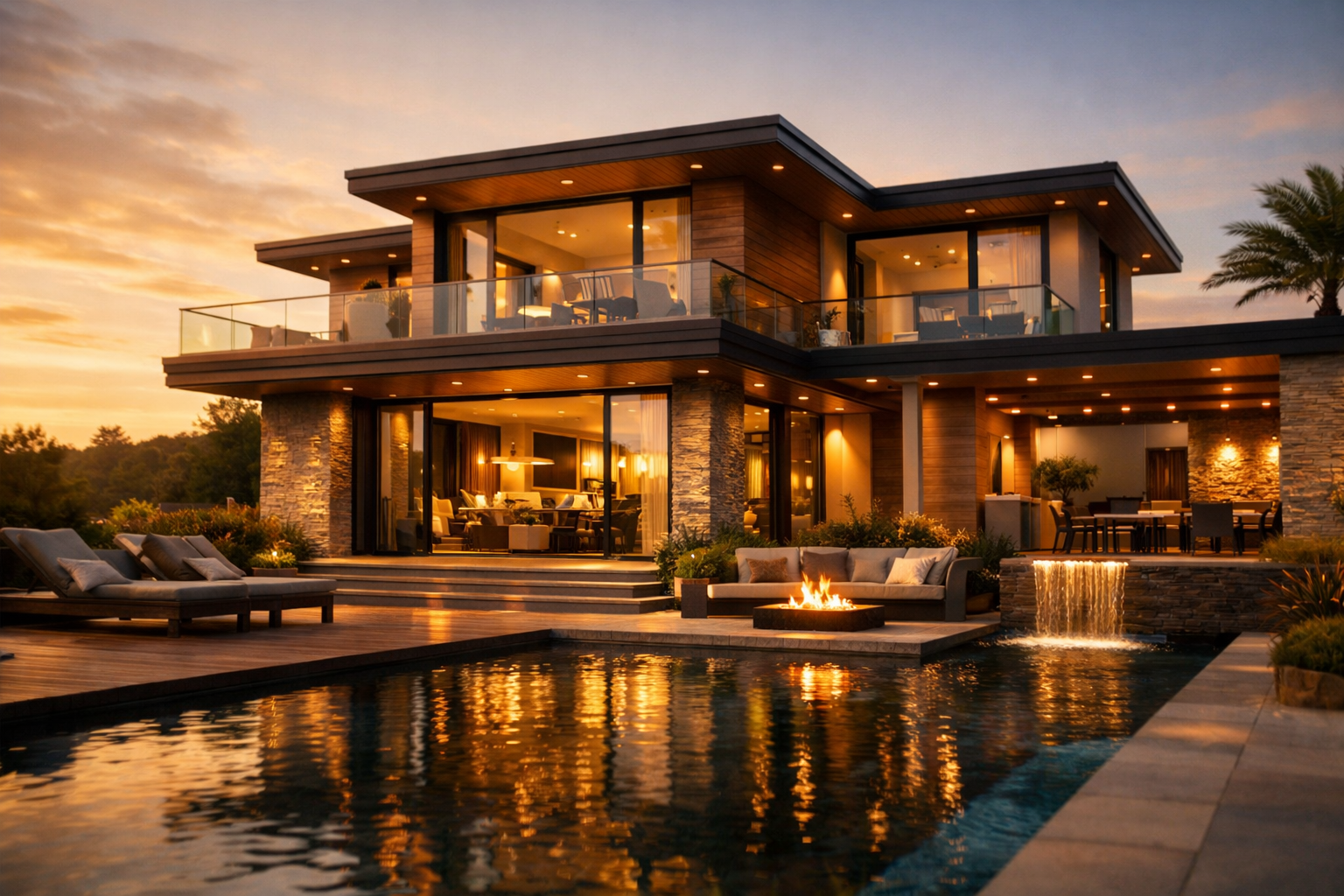
What Cinematic Listing Videos Really Are, and Why They Work
Scroll through any real estate platform today and one thing becomes clear almost instantly. The listings that stop people mid-scroll usually include video, and not just any video. The most engaging listings feel polished, emotional, and intentional, more like a short film than a basic walkthrough. This is the power of a cinematic real estate video.
Many agents still rely on photos alone or simple walkthrough clips and wonder why engagement stays low or buyers fail to connect emotionally. The reality is that buyers do not just want to see a property. They want to experience it. A cinematic real estate video bridges that gap by transforming a listing into a visual story buyers can imagine themselves living in.
In this guide, we break down what cinematic listing videos actually are, how they work, and why they have become one of the most effective tools in modern real estate marketing. You will learn what sets them apart from standard real estate listing videos, when they deliver the most value, and how to use them strategically rather than just creatively.
Let’s begin by defining what “cinematic” truly means in the context of real estate.
What Makes a Video Truly Cinematic in Real Estate
A cinematic real estate video is a professionally produced listing video designed to evoke emotion, highlight lifestyle, and guide viewers through a property with purpose. Unlike basic walkthroughs, cinematic videos use storytelling, controlled camera movement, lighting, and thoughtful editing to showcase more than rooms. They showcase possibility.
The goal is not simply documentation. The goal is connection. Cinematic real estate videos align with how buyers actually consume content today. Most buyers begin online, scrolling quickly and deciding in seconds what deserves more attention. A cinematic approach immediately elevates perceived value and encourages viewers to stay longer.
Key benefits of cinematic real estate videos include:
- Creating emotional connection before a showing
- Increasing time spent on listings and websites
- Strengthening agent and brand perception
- Improving performance of real estate videos for social media
A common misconception is that cinematic videos are only for luxury properties. In reality, homes at many price points benefit when the story is framed correctly. The difference is execution, not price.
How Cinematic Real Estate Videos Are Created
Cinematic listing videos follow a structured process that balances creativity with marketing intent. Each stage plays a role in producing a video that feels polished rather than random.
Planning the Story and Visual Direction
Every successful cinematic real estate video starts with planning. This includes identifying the property’s strongest features, the target buyer, and the lifestyle being marketed. Instead of filming every room equally, the focus is on flow, light, and emotional highlights.
This planning stage ensures the video feels cohesive and purposeful. It also prevents over-filming and helps keep the final video engaging rather than overwhelming.
Homes with a clear narrative, such as “entertainer’s home,” “urban retreat,” or “family-friendly layout,” tend to perform especially well.
Capturing Smooth, Intentional Camera Movement
One of the defining traits of cinematic real estate videos is smooth motion. Stabilized gimbals and controlled camera paths allow viewers to feel as though they are walking through the property naturally.
Shots are slow, deliberate, and connected. This helps viewers mentally map the space while remaining visually engaged. In contrast, shaky or rushed footage can distract and reduce credibility.
This technique is especially important in a real estate walkthrough video, where understanding layout and flow is critical.
Using Light and Composition Strategically
Lighting and composition are essential to cinematic quality. Natural light is maximized, shadows are controlled, and each shot is carefully framed to feel balanced and inviting.
Good composition makes rooms feel larger, brighter, and more intentional. It also guides the viewer’s eye toward architectural details, finishes, and focal points that might otherwise be missed.
Editing for Emotion and Impact
Editing is where cinematic real estate video truly comes together. Music selection, pacing, and transitions are designed to support mood and storytelling. The objective is not speed, but emotional rhythm.
Strong real estate video editing builds momentum, highlights key moments, and leaves viewers with a lasting impression that encourages action, whether that is booking a showing or sharing the listing.
How Cinematic Videos Fit Into Real Estate Marketing
Cinematic videos are not meant to replace photography. They enhance it. When combined with professional photos, floor plans, and written descriptions, video becomes a powerful layer of storytelling.
Cinematic videos perform particularly well as:
- Flagship listing content
- Real estate marketing videos for agent branding
- Real estate videos for social media campaigns
- Property websites and listing presentations
Because cinematic videos are visually compelling, they are also highly shareable. Short edits can be repurposed for social platforms, while full versions support listing pages and presentations.
When Cinematic Real Estate Videos Make the Most Sense
While cinematic videos are powerful, they work best when used intentionally.
They are especially effective for:
- Competitive markets where differentiation matters
- Listings where emotion and lifestyle drive value
- Agents focused on premium branding
- Properties with strong design, light, or views
For ultra-basic listings, a simpler approach may be sufficient. The key is matching video style to the listing’s goals, not using cinematic production just to check a box.
Real-World Use Cases for Agents and Brokers
Cinematic listing videos consistently deliver strong results when applied strategically.
High-impact residential listings often see increased engagement and showing requests within days of launch when cinematic video is used effectively.
Many professionals also use cinematic listing videos to elevate their personal brand. Over time, this positions them as premium marketers and attracts higher-quality listings.
On social platforms, cinematic cuts frequently outperform static images, driving higher click-through rates and visibility compared to traditional listing photos alone.
Best Practices and Common Mistakes to Avoid
To maximize the value of cinematic real estate video, several best practices matter.
Best practices include:
- Focusing on story and lifestyle, not just rooms
- Hiring videographers who specialize in real estate
- Matching production level to property price point
- Using video as part of a complete marketing strategy
Common mistakes to avoid:
- Over-editing with excessive effects
- Using video without clear purpose
- Treating cinematic video as a replacement for photography
- Hiring general videographers without real estate experience
When done correctly, cinematic videos enhance the listing. When done poorly, they can distract or reduce perceived professionalism.
Why Cinematic Real Estate Videos Are Not a Trend
Cinematic listing videos are not a passing trend. They reflect how buyers consume information today, visually, emotionally, and quickly. As platforms continue to prioritize video, listings without strong video content risk being overlooked.
A cinematic real estate video allows a property to compete on more than price and location. It gives buyers a reason to care before they ever step inside.
As highlighted in research on the impact of professional photography on home sale price, visual presentation plays a measurable role in buyer perception and value. Video builds on that impact even further by adding movement and emotion.
Choosing the Right Partner for Cinematic Real Estate Video
Execution matters. Working with a real estate-focused video team ensures the final product supports marketing goals, not just aesthetics.
Brookehaven Media specializes in cinematic real estate videos designed specifically for listings and marketing performance. Their team understands buyer behavior, platform requirements, and how to balance storytelling with clarity.
You can explore their work and approach on the Brookehaven Media website, review available offerings on their services page, or reach out directly through contact us to discuss a project.
Final Thoughts on Cinematic Listing Videos
Cinematic real estate videos are one of the most effective tools available in modern property marketing. By combining storytelling, smooth movement, and intentional editing, they help buyers connect emotionally and understand a property more clearly.
Whether used for residential, commercial real estate videography, or agent branding, cinematic video elevates listings beyond basic presentation. When used strategically, it becomes a competitive advantage rather than just a visual upgrade.
If your goal is to stand out, increase engagement, and create stronger buyer interest, cinematic real estate video is not optional. It is a smart investment in how your listings are experienced.
Frequently Asked Questions About Cinematic Real Estate Video
What is a cinematic real estate video?
It is a professionally produced listing video that uses storytelling, smooth camera movement, and intentional editing to create an emotional viewing experience.
Are cinematic videos only for luxury listings?
No. While popular in luxury markets, cinematic videos work for many property types when matched to the right goals and audience.
How long should a cinematic listing video be?
Most effective videos range from 60 to 120 seconds, balancing engagement with clarity.
Do cinematic videos help listings perform better?
They often increase engagement, showing requests, and buyer confidence, which can contribute to stronger outcomes.
Where should cinematic real estate videos be used?
They perform best on listing websites, social media, property pages, and during listing presentations.